Early Career Profiles can be submitted via here.
We're inviting all early career colleagues working in the area of offshore renewable energy to tell us about what their working on. We'll circulate a profile of their work to share with the community, encouraging knowledge exchange and potential collaborations.
Early Career Profiles can be submitted via a short Jot Form.
You can view some of the profiles here (new profiles to be added periodically).
My work focuses on advancing marine renewable energy through improved understanding of tidal and offshore wind systems, including both fixed and floating platforms. I have investigated onset flow characteristics and their influence on device performance, reliability, and long-term operation. At the array scale, my research examines wake interactions to support efficient multi-turbine deployments. A further area of interest is turbine control and optimisation, aiming to maximise power capture while extending fatigue life. Overall, my work integrates experimental, numerical, and analytical approaches to enhance the performance and sustainability of ocean-energy technologies.
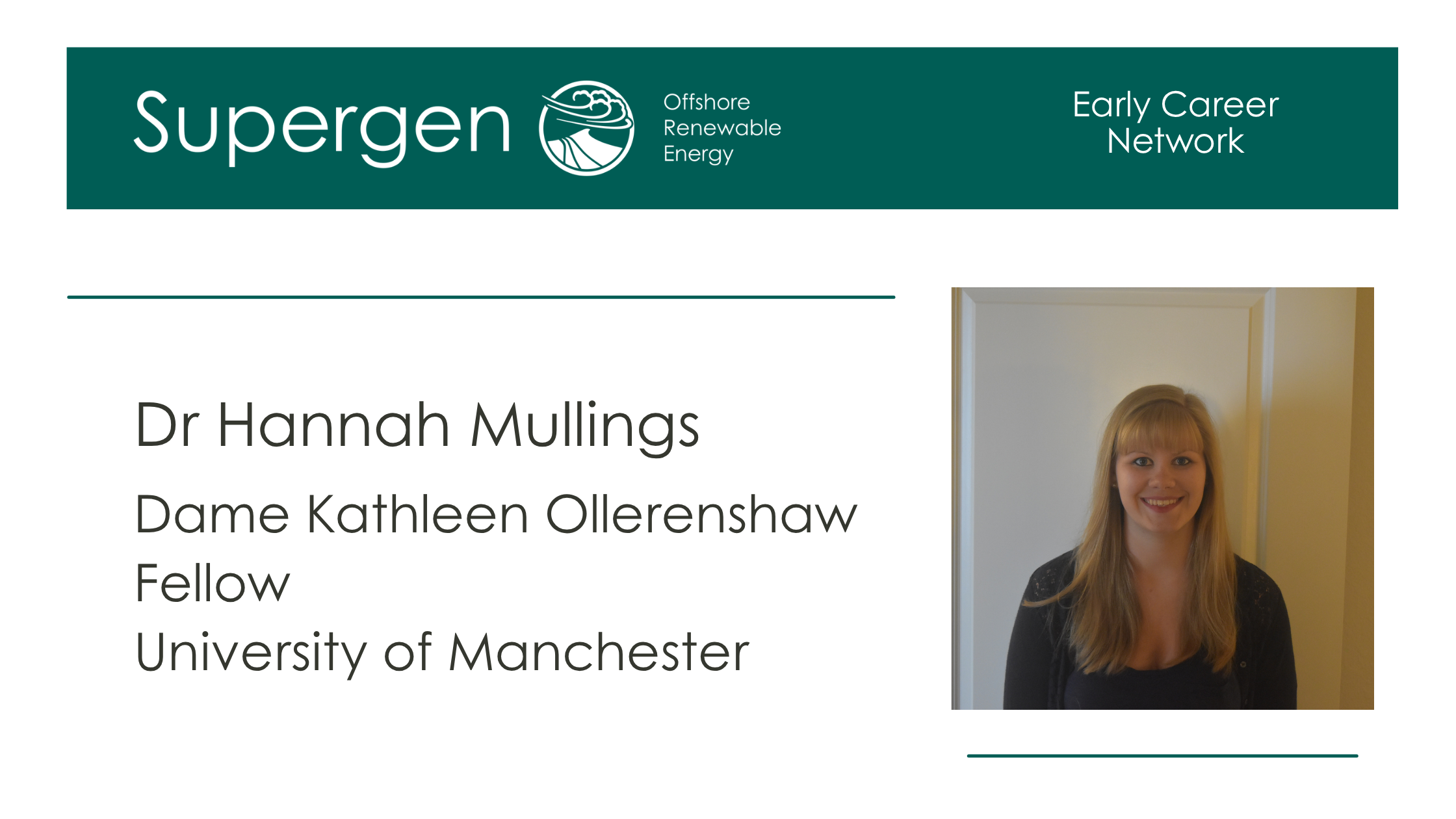
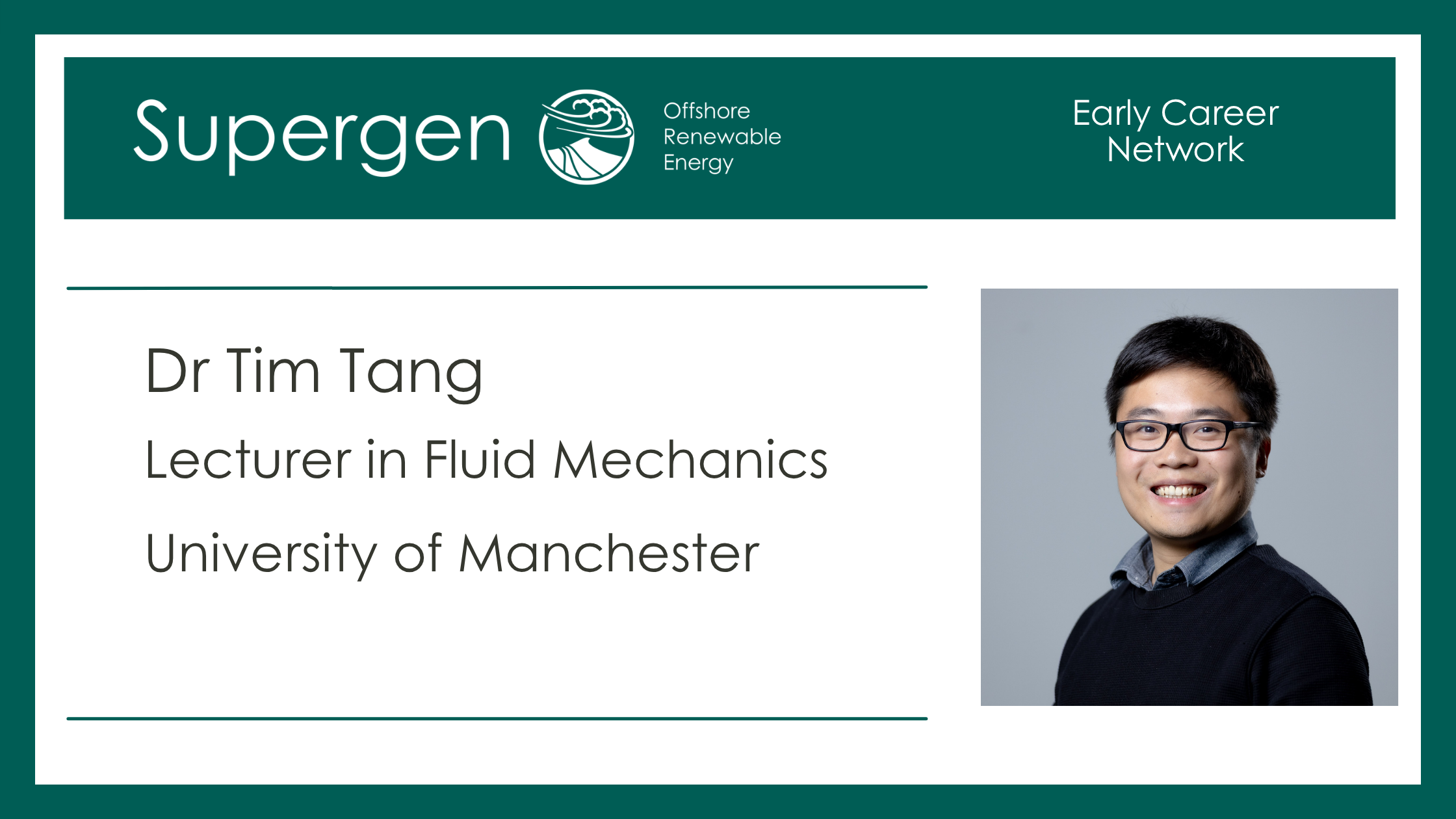
Dr Tim Tang is a Lecturer in Fluids Simulation and Digital Twins in Manchester’s Department of Mechanical and Aerospace Engineering. He applies scientific machine learning to fluid mechanics challenges, with a focus on rogue waves and offshore renewable energy. Using state-of-the-art machine learning techniques, his research improves resilience against oceanic hazards and was recently featured in BBC News and Science Focus.
I am currently working on numerical modelling of flow around tidal turbines by using OpenFoam - CFD. The work includes testing the performance of new turbine geometries to be deployed in more sheltered low-velocity zones. Previously, I conducted numerical modelling works for Wave Energy Converters considering the effect of breakwater distance on the power output of them.
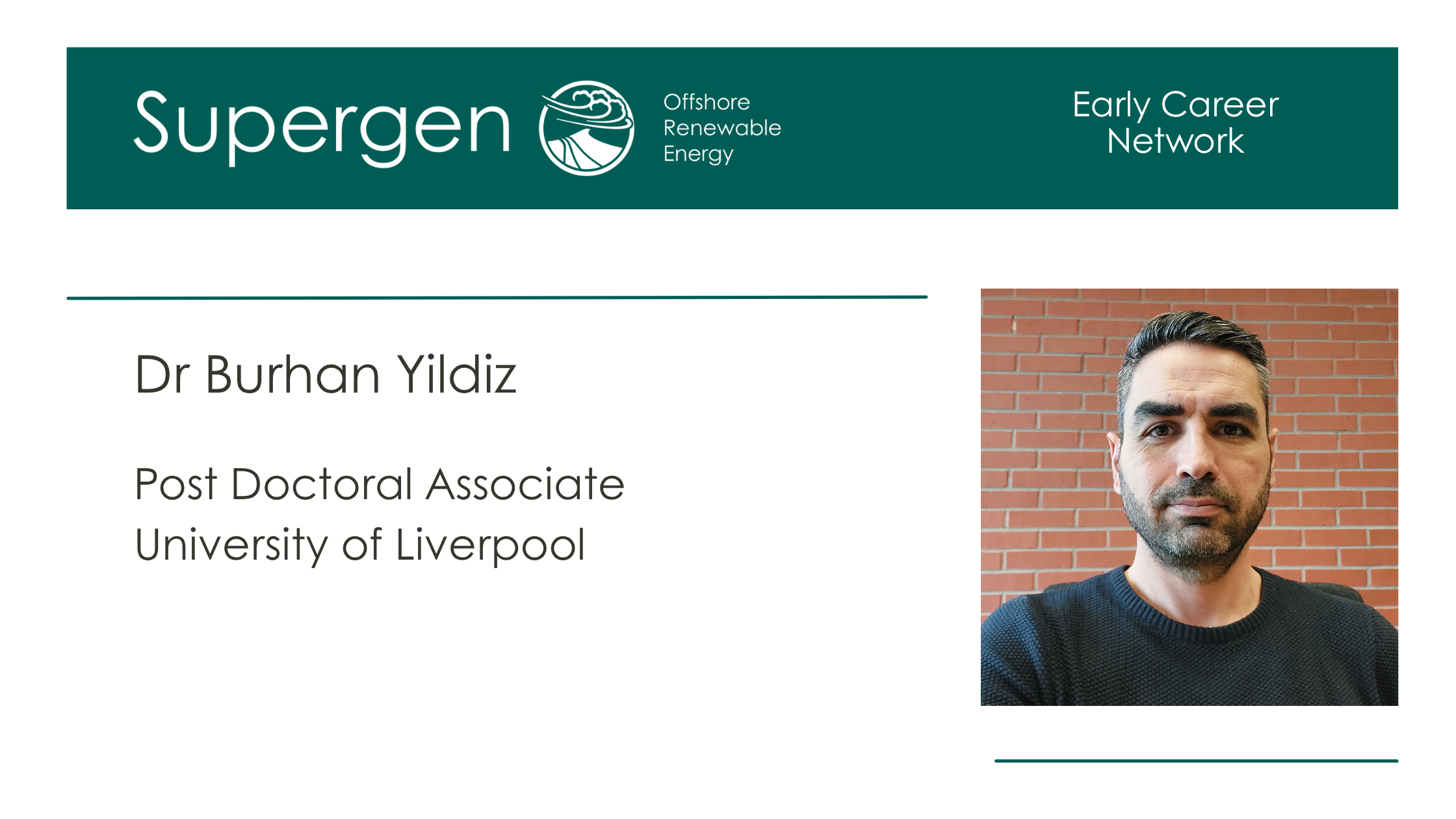
I work in fluid dynamics and flow control for tidal and wind turbines, turbomachinery, and aerial and underwater vehicles. My current research focuses on understanding and controlling turbulence- and vortex-driven phenomena such as turbine wakes, cavitation, unsteady loads and noise.
A key goal in my work is to increase efficiency and overcome the current tip-speed-ratio limits of tidal and wind turbines by developing groundbreaking, physically-informed flow-control concepts.
With funding from the Supergen ORE Hub and the Royal Society, I am developing passive, retrofittable and scalable blade-tip designs that can simultaneously weaken wakes, reduce cavitation, and suppress noise, all of which currently cause significant power losses and constrain turbine operation. I am always keen to connect and collaborate on these topics and support academia-industry engagement.
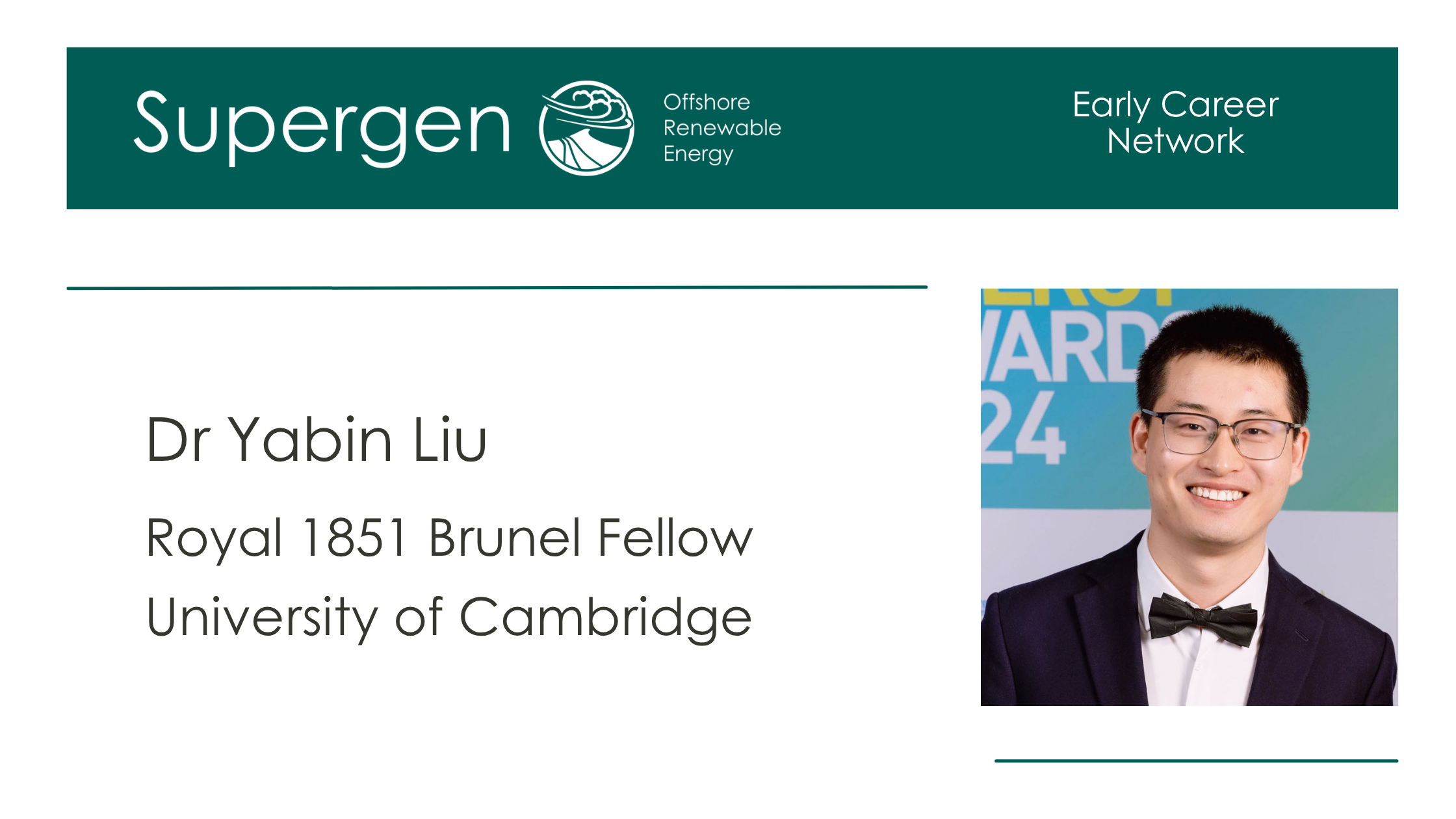
• Performed statistical analysis of long-term metocean datasets with GMoor (frequency domain) and Orcaflex (time
domain) to optimise mooring patterns for offshore oil rigs and floating renewables platforms.
• Developed a prototype test facility and designed experiments integrating high-frequency sensors.
• Built Python/Matlab pipelines for data acquisition, signal processing and uncertainty quantification, helping close key
knowledge gaps in anchor design and surface visualisation.
• Supervised offshore campaigns across the North Sea and Asia-Pacific, delivering daily, data-driven decision briefs and
ensuring compliance with OHS standards.
I’m currently researching floating offshore wind through the lens of policy and energy security, exploring how governance decisions shape system resilience, reliability, and long-term risk. My work focuses on how regulatory timelines, grid investment frameworks, market design, and cross-border coordination influence whether floating wind can genuinely strengthen energy independence and withstand disruption. I’m particularly interested in using real-world grid events (including blackouts and instability) to understand where policy enables faster recovery, and where vulnerabilities persist despite increased renewable capacity. By connecting policy analysis with offshore wind deployment pathways, I aim to generate evidence-led insights that support secure, resilient energy transitions, especially in regions accelerating into deep-water wind.
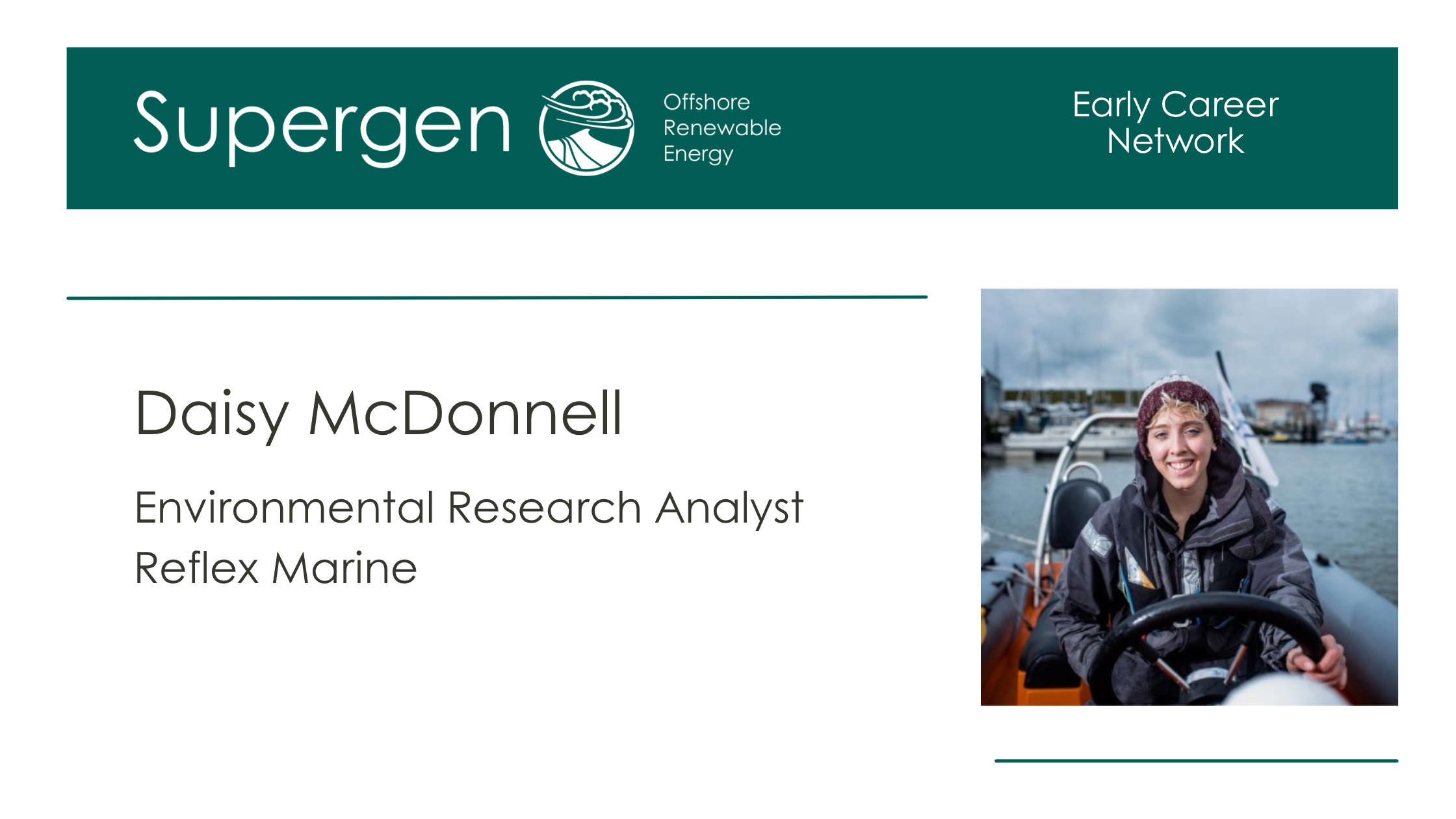
My research focuses on bio-inspired and modular underwater robotic systems, with an emphasis on propulsion, manoeuvring performance and hydrodynamic efficiency. I combine numerical simulations and experimental testing to investigate control strategies inspired by fish locomotion. A key strand of my work explores modular robot architectures that can be reconfigured for different tasks and adapt to changing marine conditions. Currently I am expanding my research through machine learning and data-driven methods to enhance real-time control and energy efficiency. This work aims to advance marine autonomy, support offshore renewable energy applications and improve robotic performance in complex underwater environments.
I develop physics-based strategies to make offshore renewable infrastructure more resilient, quieter and environmentally integrated. My work transfers ideas from aeroacoustic flow control and structured porous materials into offshore hydrodynamics, with a current focus on scour mitigation around monopile foundations. Through laboratory experiments at the National Oceanography Centre, I study how tailored porous structures dissipate turbulence, weaken vortex shedding and reduce near-bed erosion. This research builds on earlier interdisciplinary work on structured porous breakwaters conducted at the COAST laboratory, revealing how porous structures influence turbulence length scales and their efficacy in attenuating surface wave energy. My research vision aims towards a long-term direction of combining hydrodynamics, acoustics and hydrodynamic pressure-sensing.
If you'd like to get in touch with any of the early career professionals to discuss their work further, please email supergenorehub@eng.ox.ac.uk